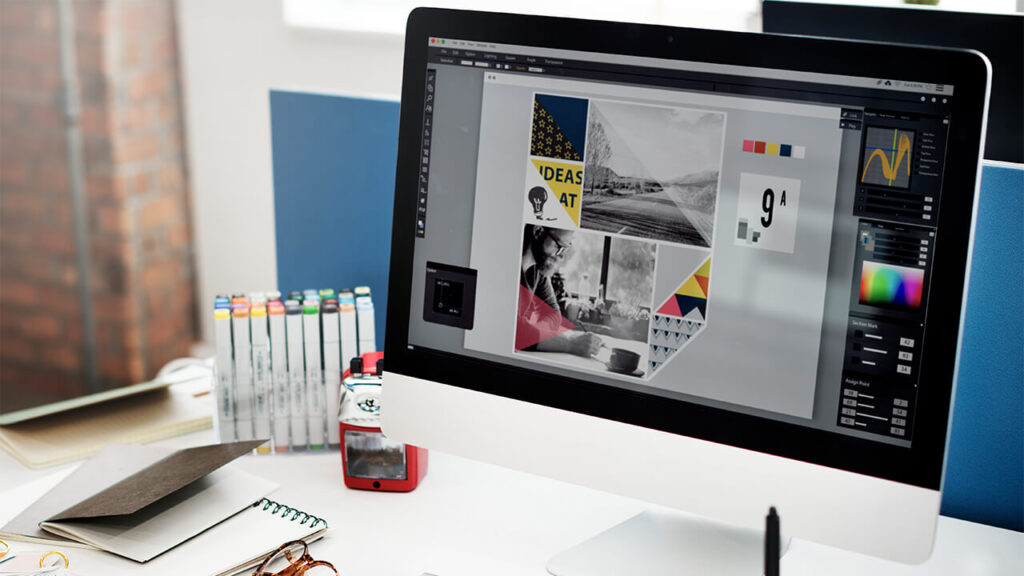

Understanding what is graphic design course is essential for students, job seekers, and creative professionals who want to build a future in visual communication. In today’s digital world, design is not just about making things look attractive; it plays a crucial role in branding, marketing, advertising, user experience, and digital media.
A graphic design course equips learners with creative, technical, and problem-solving skills needed to communicate ideas visually. In India, the demand for skilled graphic designers is rising rapidly as businesses move online, invest in branding, and compete for digital attention. This makes graphic design one of the most valuable skill-based career options available today.
1. What Is a Graphic Design Course?
A graphic design course is a professional training programme that teaches how to create visual content using design principles, typography, colour theory, layout techniques, and digital tools. The purpose of graphic design is to convey messages clearly and effectively through visuals, whether for print or digital platforms.
In India, graphic design courses are designed for beginners as well as working professionals. These courses focus on building both creative thinking and practical execution skills. Learners are trained to design logos, social media creatives, advertisements, brochures, websites, presentations, and brand identities.
A well-structured graphic design course, such as the one offered by eCare Upskill, focuses on industry-relevant skills rather than only theoretical concepts. This helps students become job-ready and confident in handling real client projects.
2. Why Graphic Design Is a High-Demand Skill in India
The Indian market has seen massive growth in digital platforms, startups, e-commerce businesses, and content creation. Every brand needs strong visuals to attract customers, build trust, and stand out from competitors. This growing demand has made graphic design one of the most sought-after creative skills.
Companies across industries like digital marketing, IT, education, media, real estate, healthcare, and entertainment rely on graphic designers. Freelancing and remote job opportunities have also increased, allowing designers to work with clients across India and internationally.
For students asking “what is graphic design course in India and is it worth it?”, the answer is yes. Graphic design offers flexibility, creativity, steady income potential, and long-term career growth.
3. Who Should Choose a Graphic Design Course?
A graphic design course is suitable for a wide range of learners. It is ideal for students who have completed 12th and want a creative, skill-based career. It is also beneficial for graduates who want to switch careers or professionals who want to upgrade their skills.
You do not need a specific educational background to start learning graphic design. What matters more is creativity, interest in visuals, willingness to learn tools, and the ability to think from a user or customer perspective. Many successful designers start with no prior experience and build strong careers through structured training.
4. What You Learn in a Graphic Design Course
Instead of simply listing syllabus points, it is important to understand how learning progresses during a graphic design course and what practical abilities you develop.
1. Design Fundamentals and Visual Thinking
The course begins by developing your understanding of design fundamentals. You learn how visual balance, alignment, contrast, spacing, and hierarchy affect communication. This foundation helps you design with purpose rather than guesswork.
2. Typography and Colour Theory
Typography plays a major role in branding and communication. You learn how to choose fonts, combine typefaces, and maintain readability. Colour theory helps you understand how colours influence emotions, brand identity, and user behaviour.
3. Graphic Design Tools and Software
Professional graphic design training focuses on industry-standard tools used worldwide. You gain hands-on experience creating designs digitally, working with layers, images, layouts, and export formats. Practical tool usage builds speed and confidence.
4. Branding and Visual Identity Design
A strong graphic design course teaches how brands communicate visually. You learn how to design logos, brand guidelines, marketing creatives, and consistent visual systems that reflect a brand’s personality and values.
5. Digital and Social Media Design
Modern graphic designers work extensively on digital platforms. You learn how to design creatives for social media, websites, email marketing, and online advertisements, keeping user engagement and platform requirements in mind.
6. Real-World Projects and Creative Practice
Practical projects are a crucial part of learning. You work on real-world style assignments that simulate client requirements. This helps you understand deadlines, feedback, revisions, and professional design workflows.
Also, learn more about the Graphic Designer Salary in India: What You Can Expect to Earn
5. Career Opportunities After a Graphic Design Course
After completing a graphic design course, learners can explore multiple career paths depending on their interests and skills. Some choose full-time jobs, while others prefer freelancing or remote work.
Common career roles include graphic designer, visual designer, brand designer, social media designer, marketing creative designer, and design consultant. With experience, designers can grow into senior roles such as creative lead or art director.
Graphic design also opens doors to entrepreneurship. Many designers start their own studios or freelance businesses, offering services to startups and established brands.
6. Graphic Design as a Skill-Based Career Option
Graphic design falls under skill-based courses, which are becoming increasingly popular in India. Unlike traditional degrees that focus heavily on theory, skill-based courses prioritise practical learning and job-ready skills.
Skill-based graphic design training allows learners to enter the workforce faster, build portfolios, and earn based on ability rather than certificates alone. This makes it a smart choice for students looking for early career stability and growth.
7. Why Learn Graphic Design with eCare Upskill
At eCare Upskill, the focus is on practical, career-oriented learning. The graphic design course in Vadodara is designed to help learners build strong foundations, master tools, and apply creative thinking to real business scenarios.
Training is structured to support beginners while also challenging learners to grow creatively. Emphasis is placed on hands-on practice, guided learning, and industry relevance, ensuring students are prepared for professional roles.
eCare Upskill supports learners who want to build careers, freelance, or start their own creative ventures. The learning environment encourages skill development, confidence building, and professional readiness.
Conclusion: What Is Graphic Design Course and Is It Right for You?
To conclude, what is graphic design course can be defined as a practical, creative, and career-focused training programme that teaches visual communication skills for modern industries. In India, graphic design has become a powerful career option due to increasing digital demand and branding needs.
A graphic design course helps you develop creativity, technical skills, visual storytelling ability, and professional confidence. Whether you are a student after 12th, a graduate, or a working professional, graphic design offers flexibility, growth, and global opportunities.
If you are looking for a skill-based career that combines creativity with real earning potential, learning graphic design with eCare Upskill can be a strong step towards a secure and rewarding future.